7 Ways to Reduce Fleet Vehicle Downtime

Vehicle downtime is one of the most expensive problems a fleet operator faces, yet it is often poorly measured and insufficiently managed. When a vehicle is off the road, the costs extend far beyond the repair bill. There are missed deliveries or service calls, the cost of hire vehicles or overtime to cover the gap, damage to customer relationships, and the administrative burden of rescheduling work. For many fleets, reducing downtime by even ten percent would deliver a significant improvement to the bottom line. Here are seven practical strategies to achieve that.
- Implement Preventive Maintenance Scheduling
The single most effective way to reduce unplanned downtime is to prevent breakdowns from happening in the first place. Preventive maintenance means servicing vehicles at scheduled intervals based on time, mileage, or a combination of both, rather than waiting for something to fail. This includes oil changes, filter replacements, brake inspections, tyre rotations, and all the routine maintenance items specified by the vehicle manufacturer. A fleet management platform like Kedra allows you to set maintenance schedules for every vehicle and receive automatic reminders when service is due, ensuring nothing gets overlooked in the daily rush of operations.
- Plan MOTs and Compliance Renewals Proactively
Nothing creates more predictable downtime than a vehicle that cannot legally be on the road. MOT failures, expired tax, and lapsed insurance all result in vehicles being grounded — and the downtime is entirely avoidable with proper planning. Book MOTs at least two weeks before they expire to allow time for any remedial work. Track tax and insurance renewals centrally so that no deadline catches you by surprise. The operators who manage compliance proactively rarely lose a single day to compliance-related downtime.
- Act on Driver Defect Reports Immediately
Drivers are your first line of defence against breakdowns. When a driver reports a defect — an unusual noise, a warning light, a vibration, or any change in how the vehicle feels — that report needs to be taken seriously and acted on quickly. Minor defects that are ignored often develop into major failures that take the vehicle off the road for days. Create a culture where defect reporting is encouraged rather than dismissed, and use a system that allows drivers to report issues digitally with photographs so that you can triage effectively.
Reduce downtime and keep your fleet moving
3 vehicles free. No credit card. No contract.
- Use Data to Identify Problem Vehicles
Not all vehicles are equal when it comes to downtime. In most fleets, a small number of vehicles account for a disproportionate share of unplanned downtime. Identifying these problem vehicles requires tracking maintenance costs, defect frequency, and downtime days for every vehicle individually. Once you can see which vehicles are costing the most in downtime, you can make informed decisions: increase the maintenance frequency, prioritise replacement, or investigate whether specific drivers or routes are contributing to the problem.
- Build Relationships with Reliable Workshops
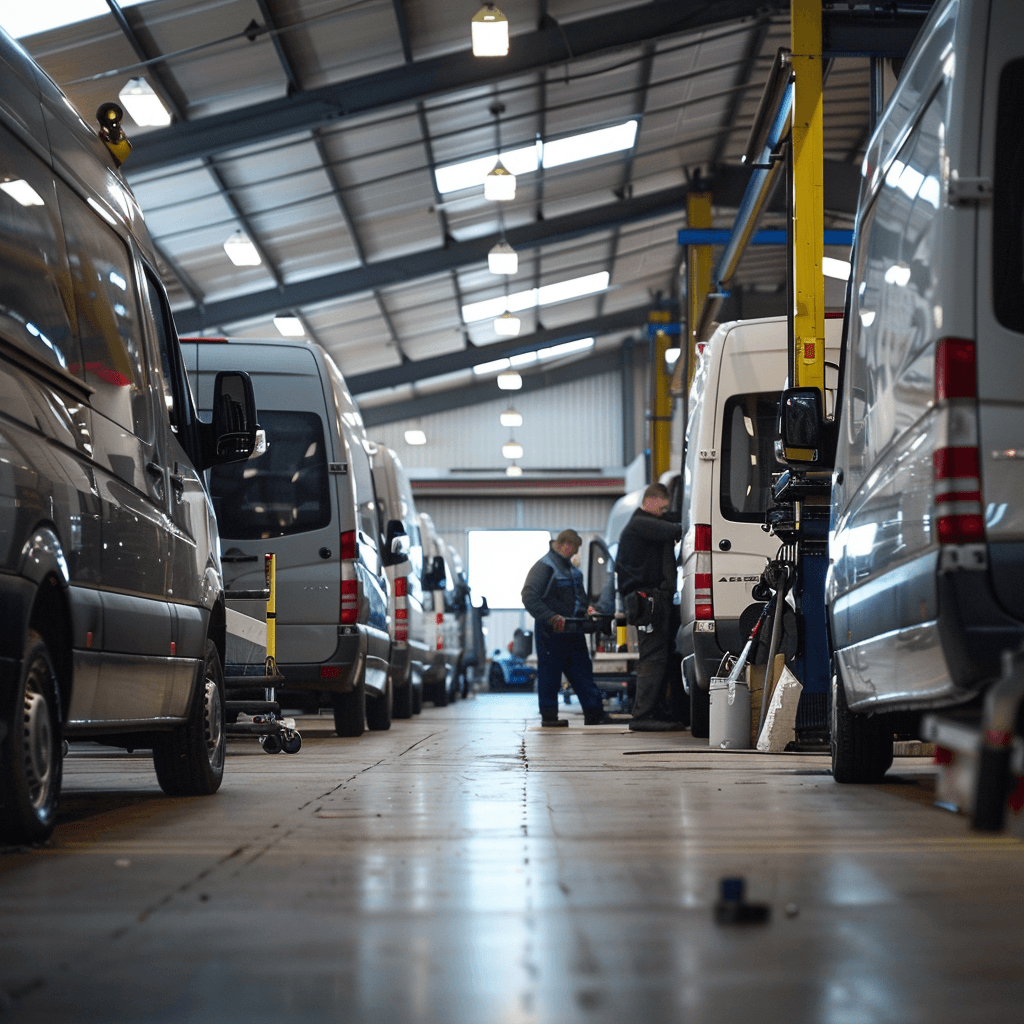
The speed of repair is just as important as preventing breakdowns. Having established relationships with workshops that understand your fleet, hold common parts in stock, and prioritise your vehicles can dramatically reduce the time between a vehicle going off the road and returning to service. Negotiate service-level agreements that include turnaround times. For critical vehicles, agree priority repair arrangements. And always have at least two workshop options so that you are not dependent on a single provider.

- Maintain a Backup Vehicle Strategy
Even with the best preventive maintenance programme, some unplanned downtime is inevitable. The question is whether it disrupts your operations or is absorbed seamlessly. A backup vehicle strategy — whether that means maintaining a small pool of spare vehicles, having a pre-agreed arrangement with a hire company, or building enough flexibility into your scheduling that a single vehicle being off the road does not cascade into widespread disruption — ensures that downtime does not translate directly into lost revenue.
Did you know?
Kedra tracks scheduled maintenance, MOT dates, and defect reports — helping you prevent breakdowns before they happen.
Calculate downtime savings- Track Compliance to Avoid Roadside Stops
Roadside inspections by the DVSA can result in immediate prohibitions that remove a vehicle from service for hours or even days. The most common reasons for prohibition are maintenance defects (tyres, brakes, lights) and documentation issues (invalid MOT, no daily check records). Both are preventable. Comprehensive compliance tracking ensures that every vehicle leaving your yard is roadworthy and legally compliant, dramatically reducing your risk of prohibition. Kedra's real-time compliance dashboard gives you instant visibility of every vehicle's status, so you can catch and resolve issues before they lead to an enforced grounding.
The thread connecting all seven strategies is visibility. You cannot reduce downtime if you do not measure it, and you cannot prevent problems you cannot see coming. The fleet operators who achieve the lowest downtime rates are those who have invested in systems that give them a clear, current picture of every vehicle's maintenance status, compliance position, and operational history. With that visibility, downtime becomes a manageable variable rather than an unpredictable cost.
Simplify your fleet operations
Replace spreadsheets and manual processes with a platform that does the heavy lifting for you.
No credit card required · Set up in 2 minutes · DVLA integrated