A Day in the Life of a Fleet Manager (And How Software Should Help)
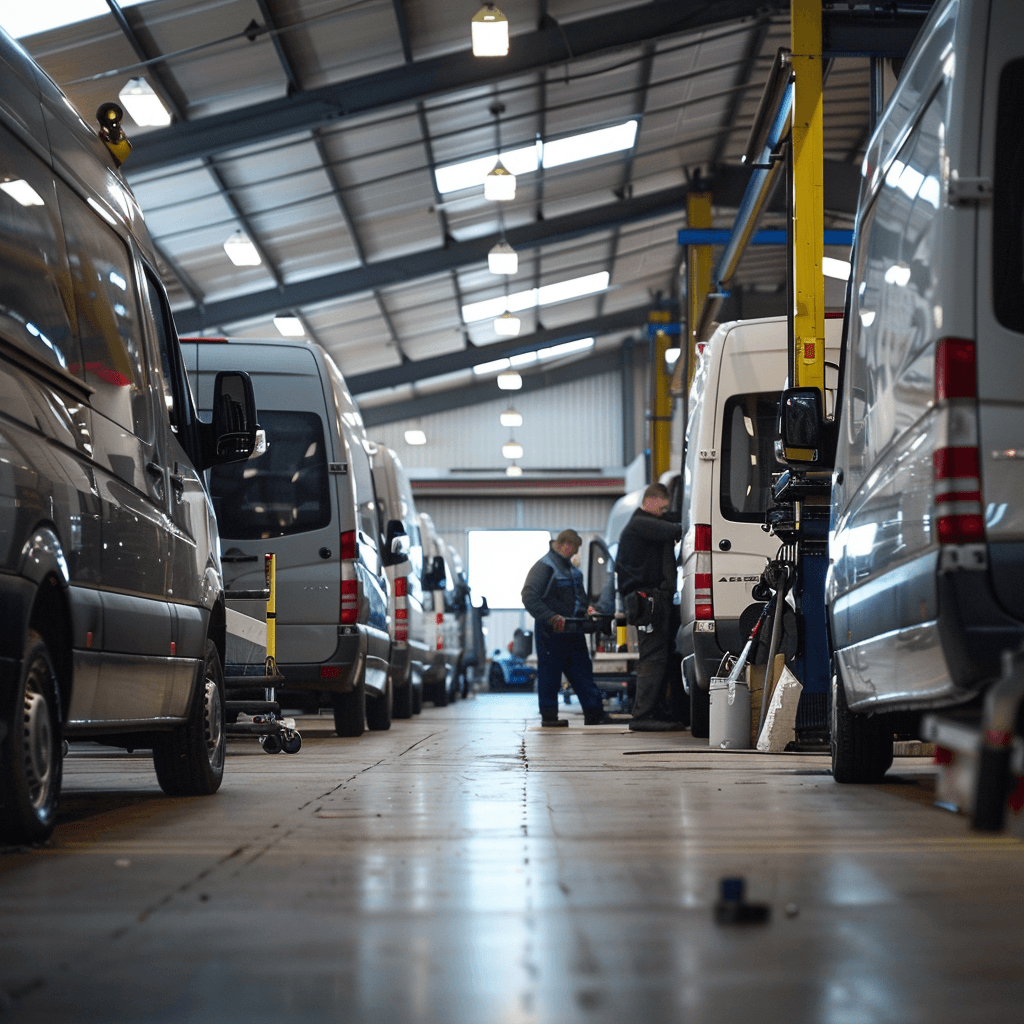
The day starts before the fleet moves. By seven thirty, a fleet manager has already checked overnight messages for breakdown reports, driver sickness notifications, and anything else that might disrupt the day ahead. Vehicles need to be allocated, routes need to be confirmed, and any gaps in the schedule need covering before drivers arrive. For a fleet of sixty vehicles across two depots, this daily triage takes between thirty minutes and an hour — longer if there are problems. It is operational management in its rawest form: making sure the right vehicles, with the right drivers, are in the right places at the right time.
Compliance checks are woven throughout the morning. Are all vehicles going out today roadworthy and legally compliant? Has the driver who reported a cracked windscreen yesterday had it repaired? Is the van that was borderline on tyre tread last week still in service? These questions sound simple, but answering them requires access to current data — not data that was accurate last Tuesday when someone updated the spreadsheet. Fleet managers who rely on manual records spend a disproportionate amount of their morning verifying information that should be available at a glance. A single dashboard showing the compliance status of every vehicle on the road today would save thirty minutes before breakfast.
Mid-morning typically brings the admin that nobody enjoys but everyone depends on. Processing fuel receipts, logging maintenance invoices, updating vehicle records, and chasing suppliers for quotes. These tasks are individually small but collectively enormous. A fleet manager in a mid-sized operation can easily spend two to three hours per day on administrative data entry — time that produces no strategic value but cannot be skipped without the data falling behind. The automation gap here is enormous. Fuel card integration, digital receipt capture, and automated DVLA data updates can reduce this admin burden by sixty to seventy percent.
Automate the tasks that eat your day
3 vehicles free. No credit card. No contract.
The afternoon is where strategic work is supposed to happen, though it rarely gets the time it deserves. Reviewing fleet costs, planning vehicle replacements, negotiating with suppliers, analysing driver performance, and preparing reports for senior management. These activities directly impact the bottom line, yet they are perpetually squeezed by the operational and administrative demands of the morning. Fleet managers consistently report that they spend less than twenty percent of their time on strategic work — the rest is consumed by the daily grind of keeping vehicles moving and records current.
Unexpected issues punctuate every day. A vehicle breaks down on the M6 and needs recovery. A driver reports an accident. A supplier delivers the wrong parts. A compliance audit is announced for next week. Each interruption requires immediate attention, pulling the fleet manager away from whatever they were working on and resetting their priorities. The ability to handle these disruptions efficiently depends entirely on the quality of information available. A fleet manager who can pull up a vehicle’s full history, compliance status, and assigned driver in ten seconds handles a crisis very differently from one who has to search through three spreadsheets and an email archive.
Did you know?
Kedra automates MOT checks, tax monitoring, and compliance alerts — saving fleet managers hours per week on routine tasks.
See time-saving featuresBy late afternoon, the focus shifts to tomorrow. Which vehicles need fuel? Which have early-morning bookings that require pre-allocation? Are there any compliance deadlines falling tomorrow that need action today? Planning ahead is what separates fleet operations that run smoothly from those that lurch from crisis to crisis. Software should make this forward view effortless — a single screen showing upcoming deadlines, scheduled maintenance, and operational commitments for the next seven days. If a fleet manager has to manually compile this view from multiple sources every evening, the software has failed its most basic purpose.

The thread running through every hour of a fleet manager’s day is information access. The job is fundamentally about making decisions — operational, financial, compliance, and personnel decisions — and the quality of those decisions depends on the quality and accessibility of the data behind them. Software that makes data easy to find, keeps it automatically current, and surfaces problems before they escalate is not a luxury. It is the difference between a fleet manager who is in control and one who is constantly catching up.
Simplify your fleet operations
Replace spreadsheets and manual processes with a platform that does the heavy lifting for you.
No credit card required · Set up in 2 minutes · DVLA integrated